Non-Surgical Relief From Jaw Pain and Grinding
Oral appliance therapy costs vary by appliance type and any follow-up adjustments your treatment needs. Most dental insurance covers a portion of TMJ care, and our team submits claims for you. If a balance remains or you do not have insurance, your dentist in Belmont, NC, accepts CareCredit® and Sunbit financing to spread payments across monthly installments, and we review the numbers with you at your consultation.
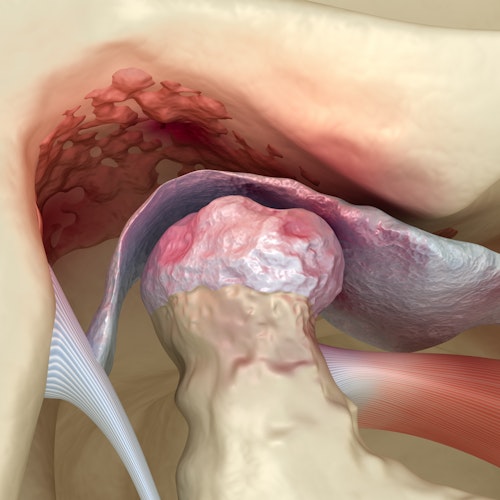
The temporomandibular joint is located in between your mandible and temporal bone. It plays many important roles. From allowing you to talk to helping you eat, it is crucial for multiple aspects of everyday life. However, if the TMJ becomes worn or inflamed, you may have a TMD.
There are several potential causes of TMJ disorder, including:
While our teeth can withstand a fair amount of pressure, they're not invulnerable.
Over time, TMJ disorders can damage your back teeth. The action of clenching or grinding your TMJ can cause cracks, chips, or other breakage. It may also cause your back teeth to become worn from all the pressure.
Finally, your teeth may feel loose, which can be uncomfortable and stressful.
Though realizing you may have a TMD can seem overwhelming, you do not have to take another step of this journey without help. Our caring, knowledgeable dentists can treat your temporomandibular joint problems with oral appliance therapy.
Typical hallmarks of TMD include clenching, jaw tightness, and headaches. However, not every patient presents with these symptoms. If you think you may have TMD, our dentists can examine your mouth and determine the cause of your discomfort. They will then develop a treatment plan to ease your pain and prevent further oral health concerns like damage to your teeth.
Have a busy schedule? We understand. Our office is open on Saturdays for your convenience. Our dentists work hard to accommodate our patients with Saturday hours.
Our Belmont, NC, dentistry practice is also open for extended hours from 7:00 am to 7:00 pm on Tuesdays through Thursdays, so patients across Belmont and the greater Charlotte area can receive dental treatment at a time that works for their schedule.
Get started today. Request a consultation by filling out our online form or by calling our Belmont dental practice.
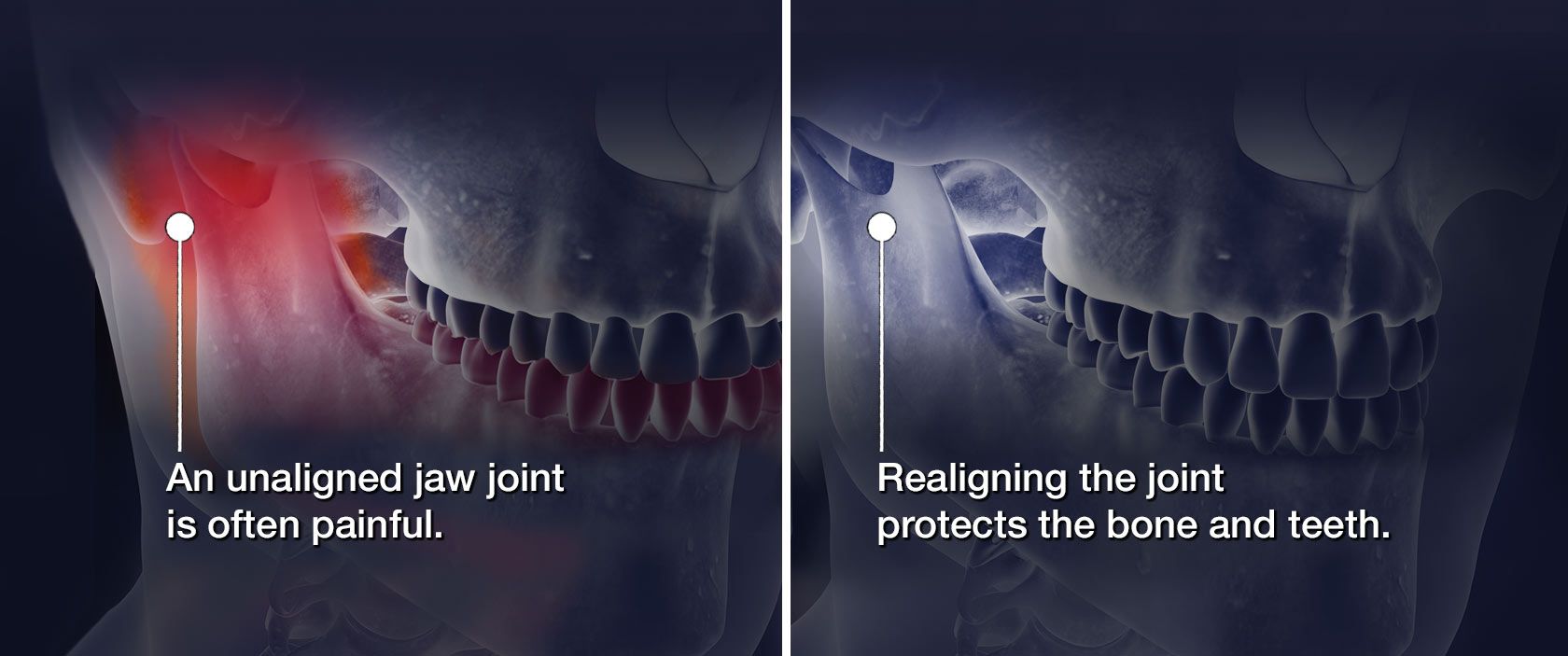
Your oral appliance will reposition your jaw and tongue, stopping you from grinding your teeth in your sleep. This can prevent the uncomfortable symptoms of TMJ problems, such as migraines or sore throats. It can also protect your jaw joints, bones, and teeth.
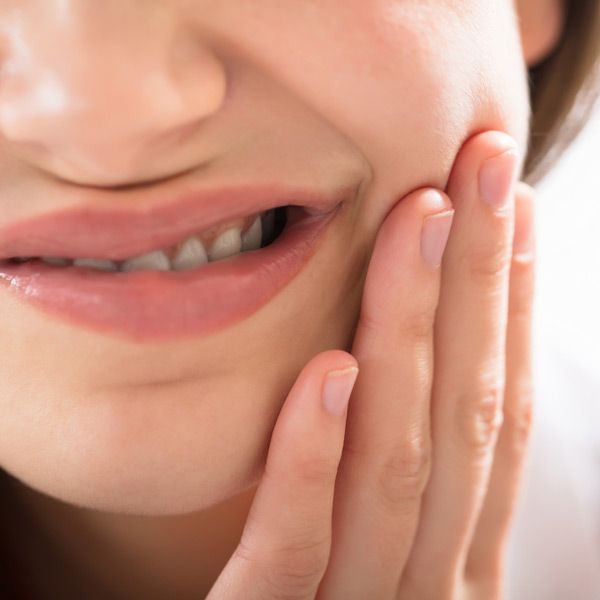
Headaches, jaw aches, and even earaches, life with TMD can mean daily pain.
Some patients even experience difficulty opening and closing their mouths due to inflamed TMJ joints, making it hard for them to eat or talk.
For a few, TMJ issues may go away after an injury heals or their stress decreases. For others, though, TMD symptoms may persist. TMJ treatment can provide lasting relief.
From finding a diagnosis to treating TMD with oral appliance therapy, our Belmont, NC, dentists may be able to help you.
TMJ disorders can lead to pain in your neck, head, and even ears. In addition to oral appliance therapy, there are several options to find relief from the symptoms of your TMJ problems, like:
Your temporomandibular joint may be inflamed after repeated grinding. Give it time to heal by eating soft, healthy food like smoothies, scrambled eggs, and yogurt.
Ever notice you're clenching your jaw? Some of us do this without realizing. Being mindful of your grinding can allow you to actively stop and give your TMJ some slack. This takes time and practice, but it may help you.
Some patients find relief from TMJ with jaw exercises. You may be able to ask your dentist about approved exercises for your case, which can reduce pain and inflammation in your TMJ.
Our experienced Belmont, NC, dentists may be able to treat your TMD with oral appliance therapy alone. A mouthguard can relieve the pressure on your jaw joint, leading to reduced or eliminated symptoms.
While you may feel nervous, let us reassure you: many patients can be treated using just a mouthguard.
Typically, temporomandibular joint surgery is only used as a last resort. We would consider it only after you have exhausted all the options, such as an oral appliance (also known as a splint).
If you do not see progress from oral appliance therapy, you may need to visit a trusted specialist. Our Charlotte-area dentists can refer you out if needed.
No. A splint is a fantastic treatment option for most people, but your dentist may also recommend stress management techniques, or prescribe anti-inflammatories or medications to use in combination with your oral appliance. If misaligned teeth are the cause of your TMD, orthodontic treatments like braces may be recommended. Once your treatment is completed, a splint may be suggested to keep your jaw in proper alignment.
Bruxism and TMD are different. Bruxism is when you clench or grind your teeth. While it can be a symptom of TMD, it can also simply be because you are stressed. Not every patient that has bruxism has TMD. However, it is best to have one of our Belmont dentists examine your teeth and mouth to be sure. If you have bruxism but not TMD, they may still suggest oral appliance therapy to prevent wear on your teeth.
Yes. Headaches and even neck and shoulder pain are often blamed on a variety of other health conditions. They can also be a symptom of TMD. If you suffer from reoccurring headaches, our Belmont dentists can help determine if TMD may be causing or exacerbating your pain.
More research is needed to confirm a link between family history and TMJ disorder. However, some studies have suggested that patients who have a family member with TMD may be at an increased risk of developing it themselves.